
operating room trends change the way clinicians respond to supply challenges
novel coronavirus pneumonia pandemic has had a huge impact on the way our society and healthcare institutions operate. From staff and supply shortages to work stoppages and rising infection rates, clinicians face great instability. When it comes to product availability and changes in traditional practices, there is still much to be determined in this changing environment.
"Before the pandemic, it was well known that clinicians had a trusted stock of products to ensure they got the right product at the right time," said Angela Carranza, Medline clinical resource manager. "Due to the shortage of supply caused by the pandemic, the safety blanket is restricted because, usually, there is not enough product to sell."
, as medical institutions and clinicians feel the increasing pressure of product and supply shortages, a change in mindset is beginning to take root to ensure high-quality patient care remains at the forefront. Things such as product substitution, spot buying, PAR rationalization, rethinking supply levels, data analysis, automatic replenishment, and the use of more packaging have already played a role.
According to Carranza, three major trends that should be considered by healthcare organizations operating in a perioperative setting include:
1. Use data to find greater operational efficiency.
2. Use product substitution to ensure the availability of key products.
3. Surgical kits are increasingly used at every stage of the surgical procedure.
utilization of data
, with the emergence of new data analytics technologies and the use of big data, healthcare organizations are able to make more informed decisions about product mix, existing volumes and supplementary units of measurement. In order to succeed in this work, medical institutions must have a good understanding of all the products they buy and all the products that are issued from the storage room. Facilities must also fully understand the volume of their purchases and the unit of measurement in which they purchase their products. With a firm understanding of their buying behavior and product utilization, healthcare organizations are able to make the plans they really need. The key to successfully using data to improve facility operations is to work closely with supply vendors and clinical teams to ensure that the data collected reflects your real operations. From there, working closely with your supply partners and clinical teams will ensure you can make a meaningful difference to meet your facility's needs.
Product Substitution
the novel coronavirus pneumonia has caused supply chain shortages, many healthcare organizations are unable to access the same products they depend on.Product Substitutionis the process by which healthcare organizations review comparable products, explore alternatives, and ultimately find resources that fit their specific needs. Although in many cases driven by supply chain shortages, product substitution also gives clinicians the opportunity to re-evaluate their work and working methods, making it possible to find new opportunities to simplify operations, improve operational efficiency and save money. Another form of product substitution is exploring the use of reprocessed medical devices.
surgical kit
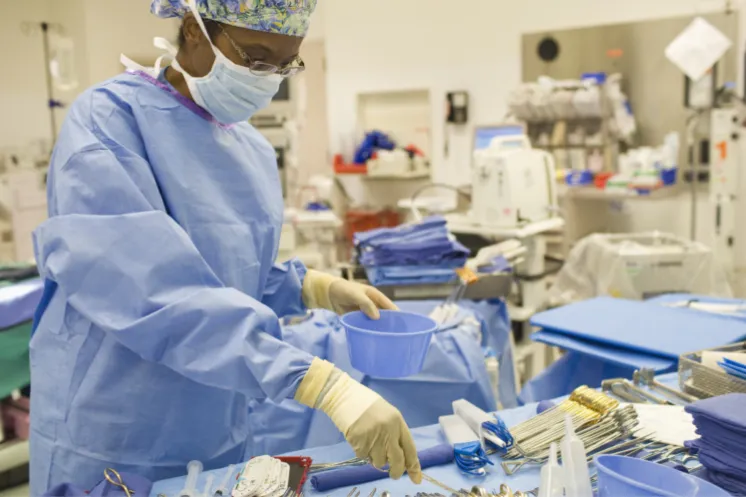
Among these new trends, the use of surgical kits has become the forefront in the perioperative setting, as facilities can simultaneously work through staff shortages, provider mergers, and budget constraints. Surgical packs enable clinicians to get every item they need packaged and prepared in sterile and non-sterile formats. From an efficiency perspective, surgical packs can reduce installation time, create standards of practice, improve storage, increase productivity and reduce waste, while optimizing product utilization and clinical accuracy. The surgical bag can also simplify handling and reduce pick-up errors by using color-coded labels and package inserts that help to identify the package and better organize storage.
"We have seen so many but necessary product replacements that many factories don't see the original products they use. Some have been completely discontinued, while others have hope of returning, "Carranza continued. "Understanding the clinical supply process and facility-based needs is now more important than ever. Surgical supply can have a huge impact on the way clinicians deliver care, and these products are critical to helping clinical teams do their jobs and achieve positive outcomes.